
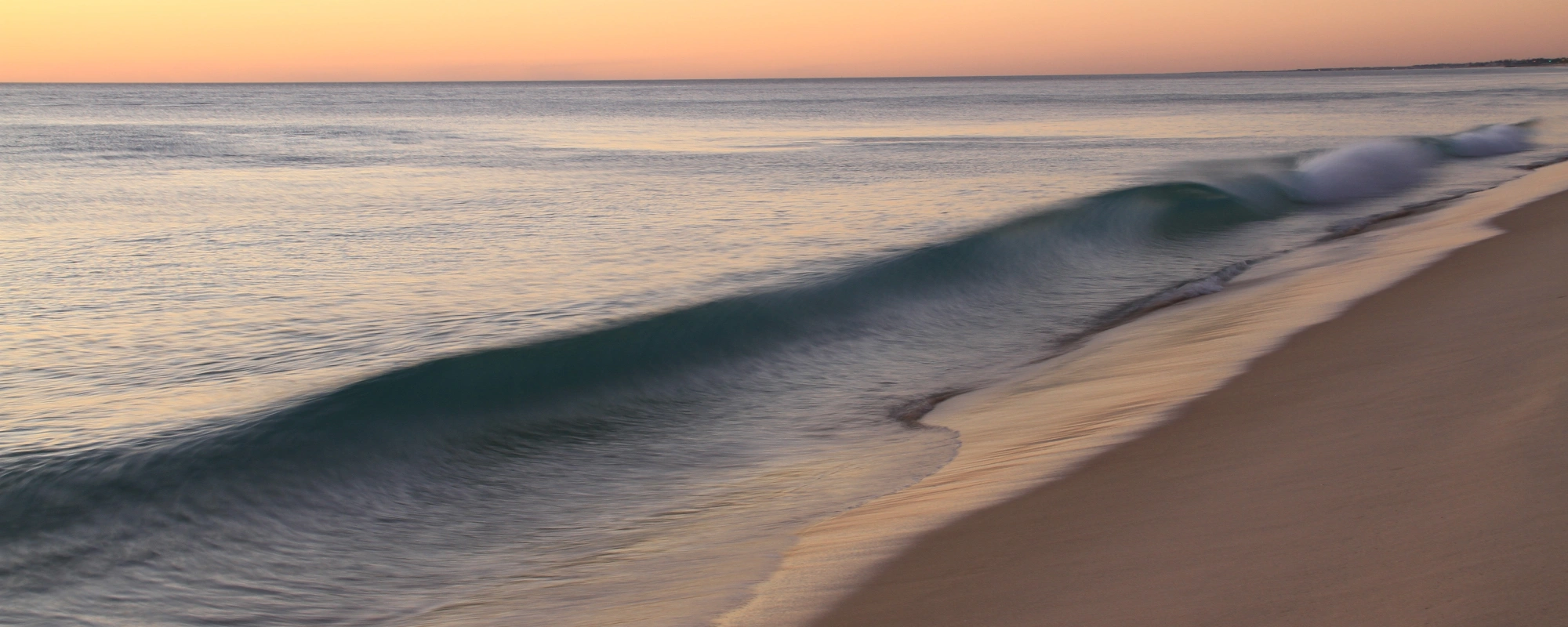
While I was in Hawaii, Hurricane Lowell took an unexpected turn toward Kauaʻi and Niʻihau. Suddenly, Niʻihau was being mentioned repeatedly on the news. I had heard of Niʻihau, of course, but I knew very little about it. People often call it the Forbidden Island because it is privately owned and generally closed to outsiders. Since most of us will never visit it, much of what happens there remains out of public view. Occasionally, however, an event like Hurricane Lowell brings the island back into the news.
I began reading about its history and became fascinated by how this unusual arrangement began. In 1864, Elizabeth Sinclair purchased Niʻihau from King Kamehameha V for $10,000. Her descendants, the Robinson family, continue to own it today. According to one story, Niʻihau had received an unusual amount of rain around the time the family first saw it. The island appeared green and fertile. Only afterward did they discover that Niʻihau was normally quite dry. Unlike nearby Kauaʻi, Niʻihau lacks mountains high enough to capture much of the moisture carried by the trade winds. It lies partly within Kauaʻi’s rain shadow and has endured long periods of drought throughout its history.
Imagine purchasing an entire island and then learning that its beautiful green appearance was not its normal condition. The family owned the land, but they could not make the rain fall. That thought stayed with me.
There are many other interesting parts of Niʻihau’s history. Its isolation helped preserve a community in which Hawaiian continued to be spoken as the language of everyday life. During World War II, a Japanese pilot who had participated in the attack on Pearl Harbor crash-landed there and brought the war unexpectedly to its residents.
Niʻihau may be closed to most outsiders, but it has never been completely separated from the events occurring around it. The Robinson family could decide who was permitted to come ashore, but they could not prevent a disabled airplane from falling out of the sky. They could not redirect a hurricane. Most importantly, they could not control the one thing the island needed most: rain.
As I thought about this, I began to wonder what it really means to own anything. We often speak as though the things in our lives belong to us completely. We talk about our homes, our careers, our possessions, our health, and our future. Legally, some of these things certainly do belong to us. We worked for them, paid for them, and accepted responsibility for them. But our control over them is much more limited than the word ownership suggests.
I founded the Dermatopathology Institute in 2008. I chose its name and determined how the practice would operate. For many years, I could confidently call it my practice. Yet I could not make that season last indefinitely. Eventually, the time came to close the practice and retire. I was able to prepare for that transition, but I could not prevent time from moving forward. That experience has caused me to think differently about the things I call mine.
The earth is the LORD’s and the fullness thereof, the world and those who dwell therein.
Psalm 24:1 (ESV)
I have read that verse many times, but the story of Niʻihau gave me a new picture of what it means. If the earth belongs to the Lord, then everything I possess already belonged to Him before it came into my hands. My medical practice, my abilities, the opportunities I received, and even the years in which I was able to work were all entrusted to me by God. Perhaps ownership is not quite the right way for a Christian to think about these things. Stewardship may be closer to the truth.
That does not mean we care less about what God gives us. A good steward takes his responsibilities seriously. He works hard, plans carefully, and protects what has been placed in his care. But he also understands that he will not hold it forever. There is freedom in recognizing that difference.
When I think I am the ultimate owner, I feel responsible for controlling everything that might happen. I want to preserve what I have built and protect the people I love from anything that might harm them. Inevitably, I discover that much of life remains beyond my control. When I remember that I am a steward, I can concentrate instead on being faithful with what God has given me today. I can make wise decisions without pretending that I know what tomorrow will bring.
I do not believe Hurricane Lowell struck Niʻihau to teach me a spiritual lesson. But seeing that a rarely mentioned island suddenly appeared on the weather maps led me to consider its history. And somewhere in that history, I saw a picture of my own life. A family purchased an island that appeared green after an unusual season of rain. They cared for it, managed it, and passed it from one generation to the next. But after more than 160 years, they still cannot command the clouds above it.
Neither can I. I can care for what God has given me. I can use it wisely and be thankful for it. But I cannot determine how long I will have it or what the next season will bring.
The island may belong to the Robinson family.
The rain belongs to God.
Love and trust in the Lord; seek His will in your life.
#faith #trustinggod #christianity #jesuschrist #bible #seekinggodswill #truth #sanctification #godisincontrol #godhearsourprayers #salvation #providenceofGod #therainbelongstogod #Psalm24:1
Discover more from The Bereans Blog
Subscribe to get the latest posts sent to your email.